Seasonal Italian Language Trends: What Learners Need to Know
ml
Understanding Seasonal Language Trends
The Italian language, much like its culture, is vibrant and dynamic. As seasons change, so do the trends in language learning. Understanding these shifts can enhance your learning experience and keep you engaged throughout the year.
Seasonal trends often reflect cultural events, holidays, and even the weather. These can significantly influence the vocabulary and phrases that learners should focus on. By adapting your studies to include these trends, you'll not only improve your language skills but also gain a deeper appreciation for Italian culture.
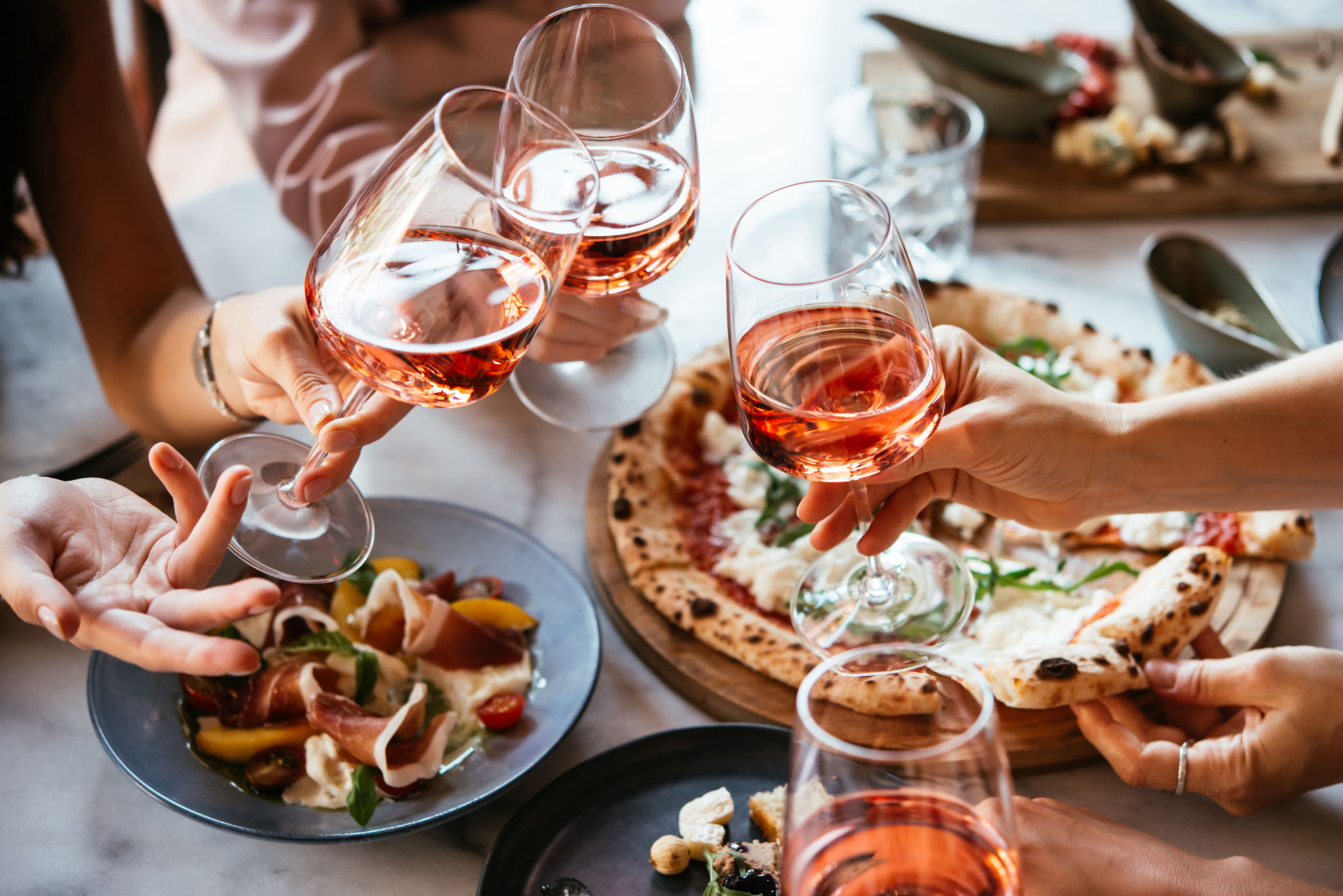
Spring: Embracing New Beginnings
Spring in Italy is a time of renewal and festivity. Language learners should pay attention to vocabulary associated with Easter, which is a major holiday. Words like "Pasqua" (Easter), "uovo" (egg), and "colomba" (a traditional Easter cake) become more prevalent.
Additionally, phrases related to springtime activities such as "andare a fare una passeggiata" (to go for a walk) or "piantare un giardino" (to plant a garden) are useful. Embracing these seasonal terms can provide a richer understanding of how Italians celebrate this vibrant season.
Summer: Celebrating the Sun
Summer in Italy is synonymous with vacations and outdoor activities. This season brings with it a focus on words related to travel and leisure. Common phrases include "andare in spiaggia" (to go to the beach) and "fare un picnic" (to have a picnic).
Learning vocabulary related to food is also beneficial, as summer is a time for enjoying fresh, seasonal produce. Words like "gelato" (ice cream), "anguria" (watermelon), and "insalata" (salad) are frequently used during this sunny season.
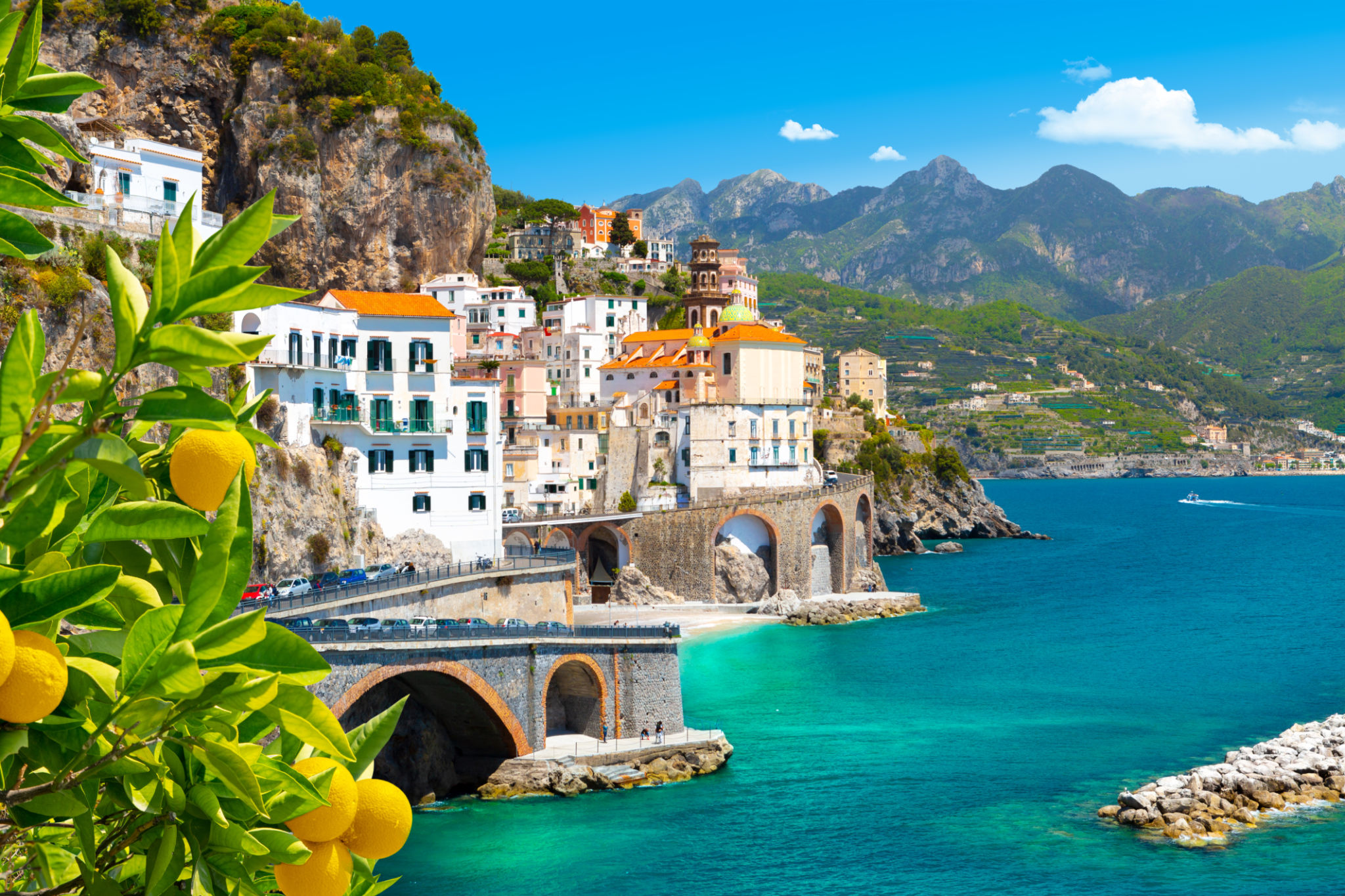
Autumn: Harvest and Tradition
Autumn in Italy is a season of harvest and tradition. Language learners should immerse themselves in vocabulary related to "vendemmia" (grape harvest) and "festa della castagna" (chestnut festival). These events are central to Italian culture and provide a wonderful opportunity to learn new words and phrases.
As the weather cools, phrases like "bere un tè caldo" (to drink a hot tea) or "leggere un libro" (to read a book) become relevant. Incorporating these terms into your studies can offer insights into how Italians enjoy the cozy autumn months.
Winter: Festive Celebrations
Winter in Italy is marked by festive celebrations and a focus on family. Christmas, or "Natale," introduces learners to a plethora of related vocabulary. Words like "albero di Natale" (Christmas tree), "regalo" (gift), and "cenone" (Christmas Eve dinner) are essential.

Additionally, the New Year, or "Capodanno," brings its own set of phrases, such as "fuochi d'artificio" (fireworks) and "buoni propositi" (resolutions). Engaging with these seasonal terms can enhance your understanding of Italian festive traditions.
Tips for Embracing Seasonal Trends
To make the most of these seasonal trends, consider the following tips:
- Immerse Yourself: Watch Italian films or listen to Italian music that reflect the current season.
- Participate in Events: If possible, attend cultural events or festivals to practice your language skills in context.
- Engage with Locals: Use language exchange platforms to converse with native speakers about seasonal topics.
By aligning your studies with the seasonal trends, you can keep your learning fresh and exciting all year round. Not only will you improve your language skills, but you'll also gain a deeper appreciation for Italy's rich cultural tapestry.